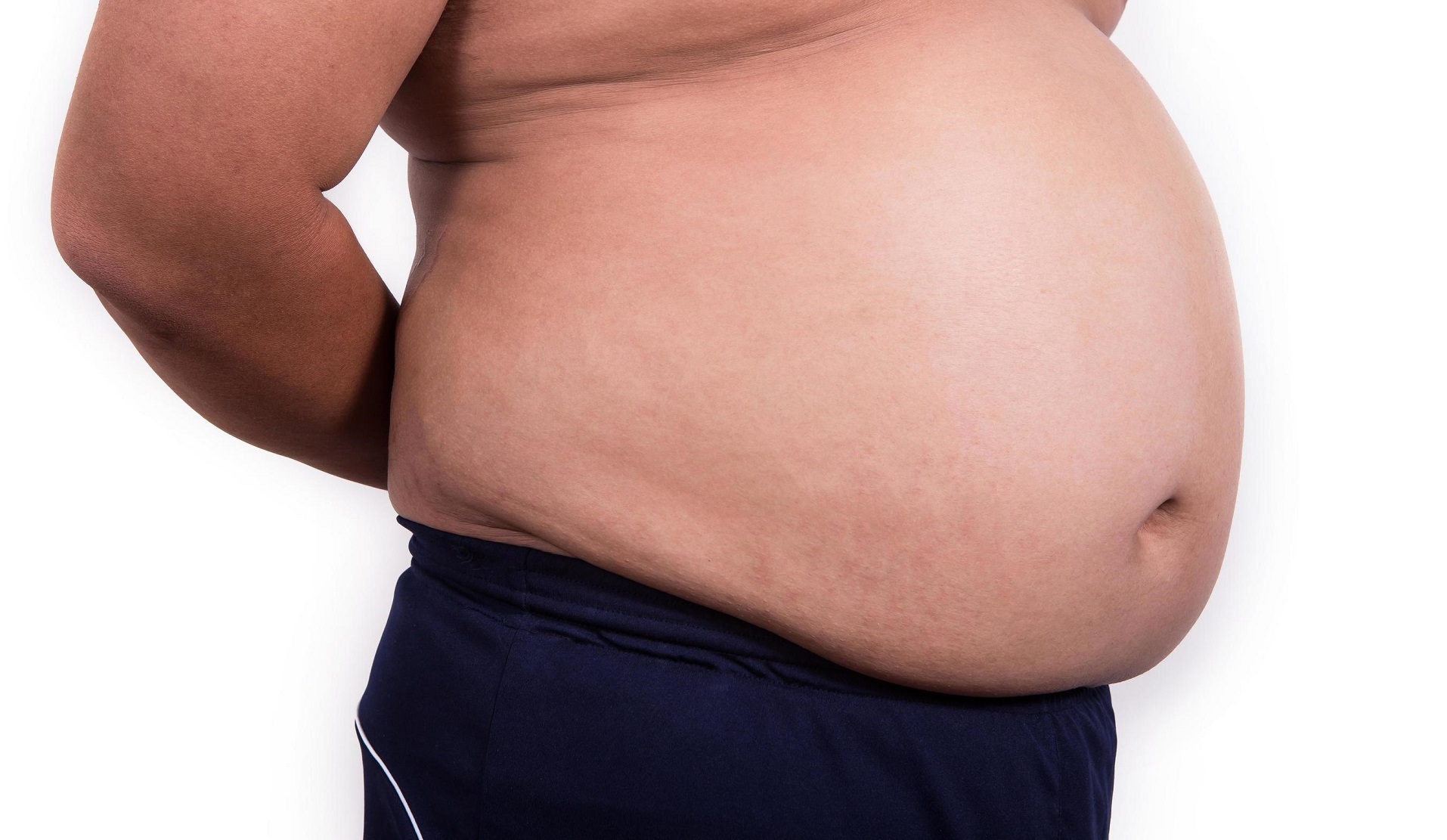

At JJ Aesthetics, we believe that patients who are planning to undergo gastric bypass surgery need clear, realistic, and medically supported expectations. The most frequently asked question is How Much Weight will I lose 4 months after Gastric Bypass? This milestone is significant because it reflects early success, metabolic adaptation, and long-term trajectory. Know about this query by reading the blog.
Weight Loss After Gastric Bypass Surgery:
The gastric bypass is a very effective bariatric surgery which involves a combination of restriction and malabsorption to help in the maintenance of weight loss. It involves decreasing calorie consumption by minimising the size of the stomach pouch and diversion of a section of the digestion system to change nutrient uptake. This is a two-fold mechanism resulting in quick weight loss within the first few months after surgery.
Most patients at four months post-surgery are now shifting their rapid-loss pattern to a more controlled and steady pattern of weight loss. This period is an indicator of the adaptation of the body to new eating habits and new metabolic changes.
Average Weight Loss in 4 months of Post-surgical Gastric Bypass:
Patients will be able to lose 40 percent to 55 percent of their body overweight in the first four months after gastric bypass. This is normally equivalent to loss of:
- 18 to 30 kg in cases of moderate obesity of the patient.
- 30-45 kg in case of severely/morbidly obese patients.
These outcomes are not universal and it depend on the initial weight, compliance to dietary guidelines, exercise and metabolic reaction. At JJ Aesthetics, follow-up is focused on the individual, to achieve the best results with every patient.
Week-by-Week Progress During the First Four Months:
Month 1: Fast Initial Weight Reduction:
The initial four weeks of the program can be characterised by the most dramatic decreases in weight and patients may lose between 10 and 15 percent of their body weight. The reason behind this stage is very low caloric consumption, liquid-soft diets, and postoperative metabolic variations.
Month 2: Fat Loss Acceleration:
During the second month the weight loss accelerates whereby the patients incorporate soft proteins and nutrient-rich foods. During this phase, the body is burning more and more fat as a source of energy and as a result, we begin to see our waistlines shrink, hips slim and our faces lose their roundness.
Month 3: Metabolic Stabilization:
Within three months, the patients normally report an increase in their energy levels, mobility, and a stable weight loss per week. Preservation of the muscles becomes a concern when a large amount of protein is ingested and light exercise is also included.
Month 4: Maintenance Phase of Weight Loss:
By the fourth month, the majority of the patients have lost almost half of their excess weight. The body has adjusted to the small portions, blood sugar regulation is better and the hunger hormones are reduced tremendously.
Key Factors That Influence Weight Loss at 4 Months:
Starting Body Mass Index (BMI):
The higher the BMI of the patient, the more absolute weight loss will occur during the first four months, whereas the percentage-based outcome will be the same in all BMI groups.
Dietary Compliance:
It is important to follow up the post-bypass nutritional programs, such as high-protein diets and the exclusion of empty calories, to ensure the maximum results are attained.
Physical Activity:
Moderate to light exercise, e.g. walking and resistance training, improves fat loss and avoids muscle wastage during rapid loss of weight.
Hormonal and Metabolic Response:
Gastric bypass has positive effects on insulin sensitivity, ghrelin, as well as gut hormones, which hasten the weight loss and control of appetite in the initial months.
Physical Changes You Can Expect at 4 Months:
At the four-month follow-up, patients are likely to report:
- Considerable decrease in the size of clothing.
- Increased mobility and posture.
- Reduced back pain and joint pain.
- Apparent facial and neck thinning.
- Better breathing and sleep patterns.
Such changes are not purely aesthetic, but also to do with significant gains in the overall health and physical functioning.
How JJ Aesthetics Supports Long-Term Success?
We do not just do surgery. We provide:
- Formulated nutritional advice.
- Frequent progress evaluation.
- Consultation services of body contouring.
- Wellness and lifestyle support.
- Sophisticated aesthetic surgery to refine the post-weight-loss.
What to Expect After the Four-Month Mark?
The weight loss remains consistent even after four months and most patients attain 65 to 75 percent loss of excess weight after twelve months. The routines established in the initial four months are conclusive to routine retention and corporal weight change.
The patients who are consistent with nutrition, movement, and follow-up care can exceed their original expectations while achieving high health results.
Final Thoughts:
Four months after gastric bypass surgery represents a powerful turning point. A significant loss of weight, an increase in the level of health indicators, and an increase in the quality of life testify to the success of this process and the conditions under the guidance of professionals. At JJ Aesthetics, we will ensure that we take all our patients through this process with accuracy, responsibility and high quality. If you want to know more on How Much Weight will I lose 4 months after Gastric Bypass? Then you can consult our team.