Skip to main content

One of the most effective and permanent answers to hair loss is hair transplantation. Today some advanced techniques like Follicular Unit Extraction (FUE) and Follicular Unit Transplantation (FUT) can be highly successful when performed by an experienced surgeon. But many people who are thinking about getting a hair transplant wonder Can a Hair Transplant Fail?
Yes but making a mistake in a hair transplant is rare if the hair transplant procedure is done by qualified experts. The failure of a hair transplant may be caused by improper surgical technique after care routine, inadequate donor infection or unrealistic treatment planning. With modern hair restoration techniques, personalized treatment plans and comprehensive post-operative care we strive to ensure the maximum possible survival of the hair grafts and achieve natural long-lasting outcomes at JJ Aesthetics.
What Is a Hair Transplant?
A hair transplant is a surgical procedure that involves moving healthy hair follicles from the donor area, usually the back or sides of the scalp, to areas affected by thinning or baldness. After transplanting these follicles grow naturally without the need to be attached to other hair follicles giving users permanent hair restoration. There are a number of modern hair transplant methods such as:
- FUE (Follicular Unit Extraction).
- FUT (Follicular Unit Transplantation).
- Beard Hair Transplant.
- Eyebrow Hair Transplant in Islamabad.
- Hairline Restoration.
- Crown Hair Transplant.
Can a Hair Transplant Fail?
Yes a hair transplant can fail but the chances of this are very low if the transplant is done by an experienced hair restoration surgeon. Not all grafts are lost if the failure is bad. Rather it can be lousy hair growth, unnatural hair look hair patches or a large proportion of the grafts being non-viable. With the right planning, advanced techniques, and post-operative care, we can avoid the unsuccessful results.
What Does a Failed Hair Transplant Look Like?
Some of the symptoms of hair transplant failure are:
- Poor hair growth after 12 months
- Areas of thinning or clumpy hair.
- Visible scarring.
- Unnatural hairline.
- A chronic rash or redness.
- Infection around grafts.
- Excessive graft loss.
- Hair that grows in the opposite direction.
- Unsatisfactory cosmetic results.
Causes of Hair Transplant Failure:
Inexperienced Surgeon:
One of the most common reasons why a hair transplant fails is due to the lack of experience and qualification of the surgeon. Advanced skill is necessary for individuals in harvesting, handling, and placement of grafts to achieve a natural look and high graft survival.
Poor Graft Handling:
Hair follicles are delicate and may get damaged if they stay outside the body for too long or if someone handles them in the wrong way during a hair transplanting operation. Damaged grafts will have reduced survival.
Inadequate Donor Hair:
The quality and quantity of the donor hairs is an important factor in a successful hair transplant. If the donor density is limited, specialists might need to engage in careful planning or multiple procedures to provide adequate coverage.
Infection:
Infection is rare but may compromise graft survival and slow healing. Minimizing this risk is accomplished by following proper hygiene and taking prescribed medications.
Poor Blood Supply:
After transplantation good blood flow is vital to nourish newly transplanted follicles. Some medical disorders or smoking can impair blood flow and adversely impact the survival of the graft.
Smoking and Alcohol:
Smoking compromises blood flow and oxygen delivery to healing tissue and heavy drinking can be a hindrance to wound healing. Prevention before and after surgery will greatly increase the chances of success.
Failure to Follow Aftercare Instructions:
One of the easiest ways to avoid poor results is to not follow post operative instructions. During the healing process, patients should not rub the scalp, engage in too much physical activity, sweat, or expose themselves to direct sunlight.
Progressive Hair Loss:
A successful transplant will cause the transplanted follicles to grow back permanently, but the natural progression of hair loss will continue in areas that haven’t been transplanted. You can use maintenance treatments to help stop more hair loss from around the area.
Who is More Likely to Experience Hair Transplant Failure?
The risk can be a greater one in the following people:
- Have uncontrolled diabetes.
- Smoke heavily.
- Become severely affected with scalp diseases.
- Have unrealistic expectations.
- Have only a small area that can be donated.
- Have thinning hair that continues to fall.
- Fail to follow aftercare instructions.
Rate of success for a Hair Transplant in Islamabad:
The success rate of modern Hair Transplant in Islamabad is very high. If the procedure is done properly it is the norm that 90-95% or more of the grafts will survive with advanced FUE and FUT techniques. Most patients experience:
- Permanent hair growth.
- Natural-looking hairline.
- Increased hair density.
- Improved facial appearance.
- Enhanced confidence.
When Will You Know If Your Hair Transplant Was Successful?
The outcome of a hair transplant takes time to show.
First Month:
- A temporary loss of transplanted hair .
- Slightly red and scabbed areas.
- Healing begins.
Three to Four Months:
- New hair begins to grow in.
- Early density begins to show up.
Six to Nine Months:
- The condition of the hair is greatly enhanced.
- The hair becomes thicker and stronger.
Twelve to Eighteen Months:
- The final results are visible in full.
- Hair is at its fullest and healthiest.
Can a Failed Hair Transplant Be Fixed?
Yes. There are various methods that can correct a failed hair transplant or revision hair transplant surgery. Treatment options may include:
- Revisión FUE transplant.
- Scar revision.
- Hairline correction.
- Additional graft placement.
- Scalp Micropigmentation.
- PRP (Platelet-Rich Plasma) Therapy.
- Medical treatments .
Benefits of Hair Transplant in Islamabad:
Patients who have positive results tend to experience:
- Permanent hair restoration.
- Natural-looking hairline.
- Improved hair density.
- Minimal maintenance.
- Long-lasting results.
- Greater self-confidence.
- Youthful appearance.
- Freedom to style hair naturally.
Best Hair Transplant Clinic in Islamabad:
JJ Aesthetics dedicates itself to providing our clients with the best results possible in hair restoration using modern technology, highly skilled surgeons with exquisite surgical skill, and a compassionate and caring approach to the patient. Our clinic offers:
- Highly qualified hair restoration experts.
- Properly advanced FUE and FUT techniques.
- Natural hairline design.
- Modern surgical facilities.
- Comprehensive aftercare.
- Long-term patient support.
We are committed to providing our patients the best possible results for natural dense and permanent hair restoration in Islamabad while keeping safety and satisfaction a top priority.
Best Surgeon for Hair Transplant in Islamabad:
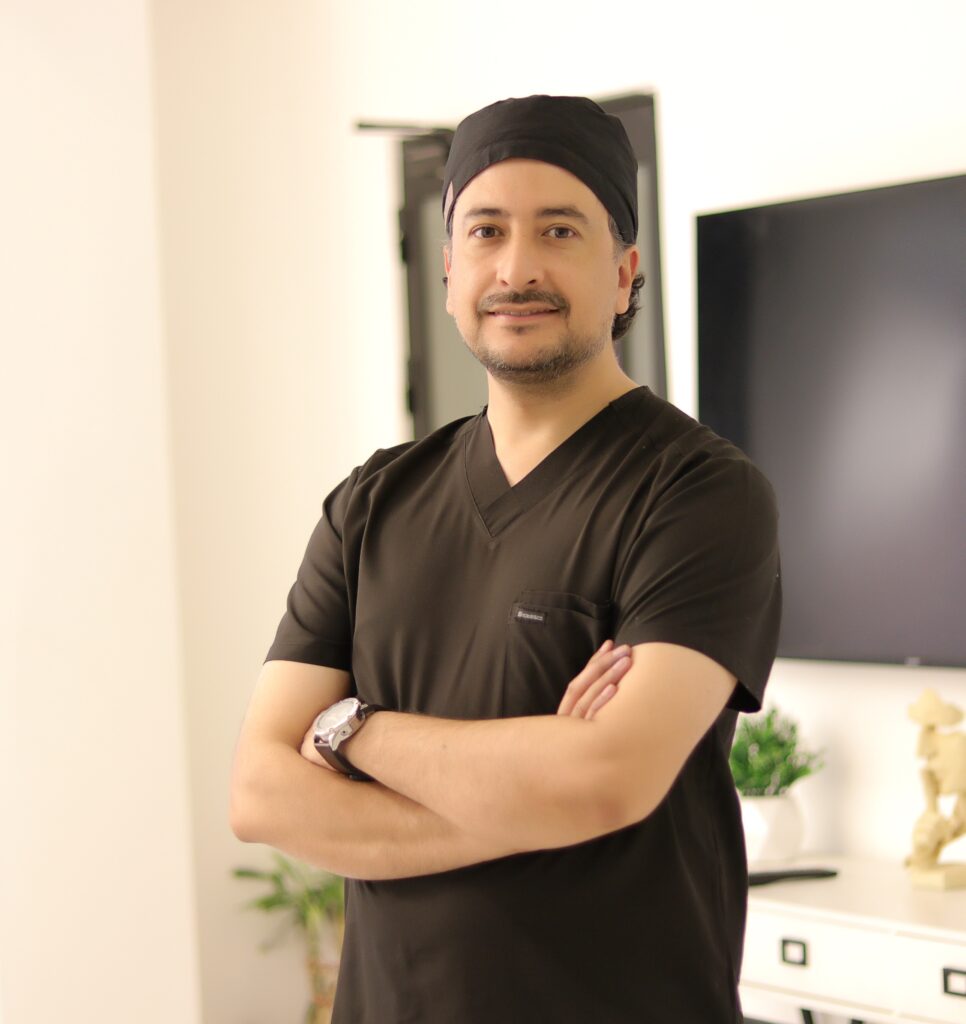
Dr Jawad Jahangir is the best surgeon in Islamabad with many years of experience. If you want your hair transplant results to not fail then choose him. He has the following experience and expertise:
- Diplomate American Board of hair restoration (ABHRS) USA.
- Member International society of Hair Restoration.
- Cabinet member hair restoration society of Pakistan (HRSP).
- Master in Surgery( MS) from Rawalpindi Medical University.
- Diploma in Minimal Invasive surgery from University of Illinois Chicago USA.
- Certificate in Health Professions Education (CHPE) Shifa University Islamabad.
- Researcher Over 20 research publications in national and international Journals.
- Experience of more that 20 years in field of medical.
- More than 10000 Successful surgeries.
- Considered as Top best cosmetic surgeon in Pakistan.
- CEO and Lead surgeon at JJ Aesthetics.
Book an Appointment:
Finding the right surgeon is one of the key elements to the success of your hair transplant. Dr. Jawad Jahangir, a top hair restoration doctor offers one-on-one consultations and delivers results with modern methods at JJ Aesthetics. His expertise in the field of hairline design, graft placement and donor area management ensures high graft survival rates and satisfaction of the patients.