Skip to main content

HydraFacial is currently among the most requested non-invasive skin care procedures in the world. Celebrities and skincare experts alike have been highly enthusiastic about it because it delivers an immediate glow, hydration and rejuvenation. Nevertheless, one of the most frequent questions we constantly hear at JJ Aesthetics is: Can Hydrafacial Ruin my Skin?
We respond to this query in a clear, transparent and professional manner. When done right and in accordance with your skin type, HydraFacial does not destroy your skin. Rather, it enhances the health of the skin, its texture, and its appearance. The only issues that occur are when the treatment is administered improperly, too often or without a professional evaluation.
What is Hydrafacial?
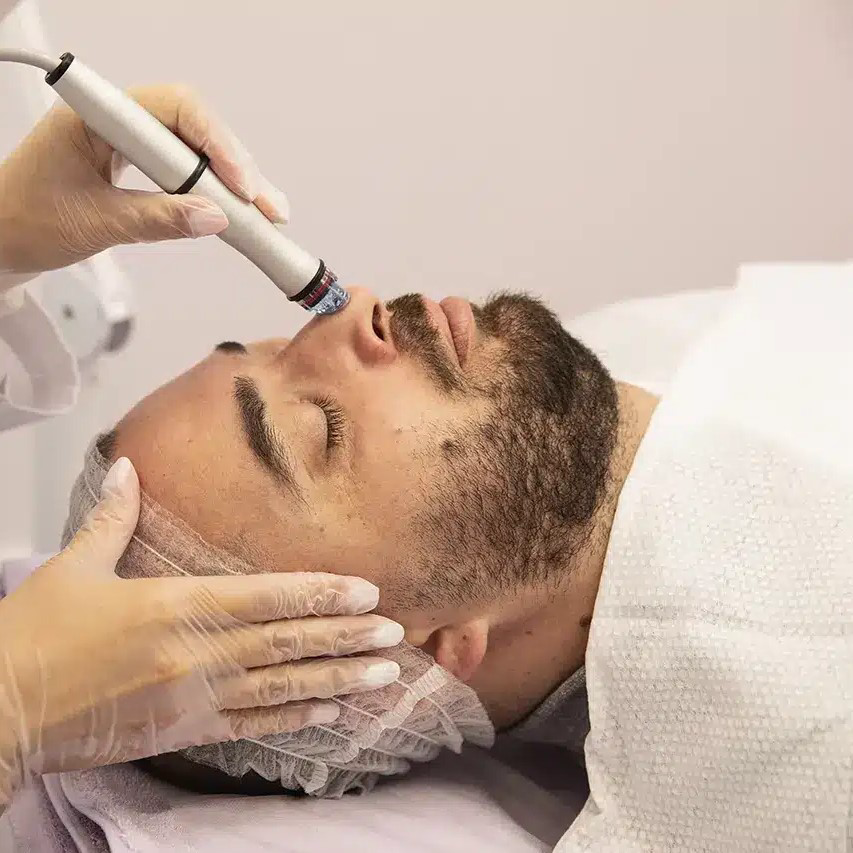
HydraFacial is a medical grade treatment which is a multi-step facial therapy aimed at cleaning, exfoliating, extracting, and thoroughly moisturizing the skin. It is different to traditional facials and has a patented Vortex-Fusion technology that provides the same and controlled results. The therapy is performed in three fundamental phases:
- Radical exfoliation and cleansing.
- Non-traumatic suction removal.
- Intravenous replacement of saline and antioxidants.
This procedure enhances the clarity of the skin without using harsh methods thus it can be applied to most types of skin in a professional manner.
Why is HydraFacial Safe to the Skin?
HydraFacial is known to be a non-irritating and non-damaging technique. It does not use harsh peels, or manual extractions, as it is not dependent on abrasives or excessive pressure. Key safety benefits include:
- No downtime or peeling
- Regulated levels of exfoliation.
- Personalized serums on various skin issues.
- No needle and use of aggressive chemicals.
At JJ Aesthetics, the treatment does not destroy the skin barrier but only honors it when done by trained individuals.
Can HydraFacial Damage the Skin Barrier?
The skin barrier plays a vital role in skin hydration and environmental stress prevention. When done properly, HydraFacial is not harmful to the skin barrier. In fact, it strengthens it by:
- Eliminating their dead cells that prevent absorption.
- Adding hydrating products such as hyaluronic acid.
- Providing antioxidants that prevent oxidation stress.
Skin barrier damage typically occurs only when:
- The therapy is administered excessively.
- Too much suction is applied on delicate skin.
- Wrong serums are used un-evaluated.
At JJ Aesthetics, each treatment will be tailored to prevent these risks.
When HydraFacial May Cause Temporary Skin Reactions?
HydraFacial is usually safe, but people might get temporary reactions, which are usually confused with skin damage. These may include:
- Short-term mild redness in a few hours.
- Minor numbness or stiffness.
- Temporary sensitivity in reactive skin
Such reactions are temporary and typical particularly in the case of first-time clients. They do not indicate damage to the skin and they heal themselves with good care.
Who Might Think HydraFacial Ruined Their Skin?
The negative experiences are normally a result of the wrong application and not the treatment itself. Those who report bad results usually belong to one of the following categories:
- Received HydraFacial in non-medical salons.
- Not reported active skin conditions.
- Received treatments too close together
- Neglected after treatment skin care guidelines.
This is the reason why before any advanced facial treatment, professional consultation is a very important requirement.
Is HydraFacial Safe for Acne-Prone and Sensitive Skin?
HydraFacial has many applications in the treatment of:
- Acne-prone skin
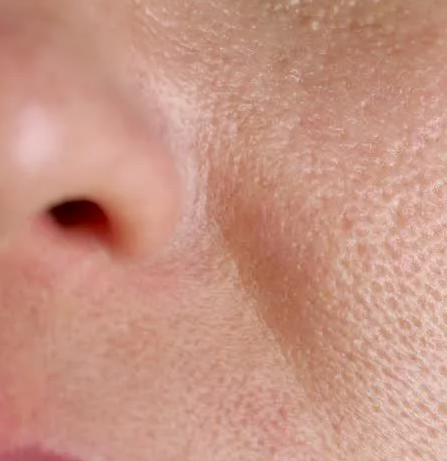
- Congested pores
- Oily skin
- Sensitive and reactive skin
The therapy serves to decrease the number of breakouts, as it has the effect of cleansing and comforting the pores. Nevertheless, active cystic acne or severe rosacea needs special procedures.
At JJ Aesthetics, the assessment of skin conditions is carried out with care and the suction level and serums are adjusted to ensure it does not irritate the skin.
Can Overdoing HydraFacial Harm the Skin?
Yes, excessively treating any procedure of the skin may place a strain on it, such as the case with HydraFacial in Islamabad. The ideal frequency is:
Maintenance: once every 4 weeks.
Once after every 2-3 weeks on target issues.
Over-treatment may result in:
- Temporary sensitivity
- Destruction of natural oil balance.
- Reduced skin resilience
This needs moderation and professional advice to achieve the best outcomes.
The Difference between HydraFacial and Traditional Facials:
Conventional facials usually get based on:
- Manual extractions
- Abrasive scrubs
- Heavy fragrances
- Unregulated product mixtures.
HydraFacial offers:
- Precision of an automated and device-controlled nature.
- Medical-grade serums
- Consistent outcomes
- Reduction in the likelihood of post facial breakouts.
This renders it to be a safer and more reliable one when it comes to long-term skin health.
The Importance of Professional Expertise:
HydraFacial largely relies on the person doing the treatment. At JJ Aesthetics:
- Before each session, skin analysis is conducted.
- Individual needs are used to select serums.
- The intensity of suction is professionally regulated.
- Hygiene and safety measures are very rigid.
- This eradicates the dangers of inappropriate methods.
What to Do After HydraFacial to Protect Your Skin?
It is necessary to prevent sensitivity and preserve results with the help of post-treatment care. Aftercare recommendations include:
- Not to use active ingredients in 24 hours.
- Using gentle cleansers
- Wearing a wide spectrum sunscreen.
- Staying hydrated
Final Thoughts!
No, HydraFacial does not destroy your skin. When performed professionally and responsibly, it is among the safest and most effective types of treatment of the face.
At JJ Aesthetics, we value skin wellness, personalization, and outcomes. HydraFacial is not a harmful process to your skin but with proper care and expert judgment, it improves your skin. If you want to know more on Can Hydrafacial Ruin my Skin? Then you can consult our team.