Skip to main content


Many people consider that a hair transplant is the long-term solution to pattern hair loss because it moves healthy hair follicles from one part of the body to another. However, one of the most common questions patients ask before or after surgery is: Can you lose transplanted hair? Read about it and more about the procedure by continuing reading.
Does Transplanted Hair Last Permanently?
When it comes to suitable candidates, transplanted hair may give long-term or even permanent hair coverage. The reason is that the hair follicles are typically taken from an area that is less affected by the miniaturizing process which causes androgenetic alopecia.
The principle commonly referred to as donor dominance is important in hair transplantation. Many of the qualities of hair follicles remain intact when transplanted to the recipient location from a suitable donor area. Transplanted donor hair is taken from parts of the scalp that are not as impacted by pattern hair loss.
Why Does Transplanted Hair Fall Out After Surgery?
Postoperative shedding is one of the most confusing periods of hair transplantation. Patients will be able to check on themselves a couple of weeks after surgery and discover that most of the transplanted hair is gone. This is totally normal after the surgery.
The hair shaft that was transplanted might fall out while the hair follicle is in the scalp. This is known as “shock loss” or “postoperative shedding.Transplanted hair will fall out within about two to eight weeks after surgery, and the scalp might appear thinner around the third month.
Can Transplanted Hair Fall Out Permanently?
Although transplanted hair is intended to provide long-term coverage, not every graft is guaranteed to survive. A Hair Transplant Surgeon in Islamabad says that one of the complications of hair transplantation is a failure in graft growth. Several important factors will influence the quality of the result, such as:
- Patient selection.
- Donor-area quality.
- Graft handling.
- Surgical technique.
- Graft placement.
- Scalp condition.
- Postoperative care.
- Root cause of balding.
There are several reasons why some individuals lose their hair after a hair transplant in Islamabad.
Reasons People Experience More Hair Loss After a Hair Transplant:
Progressive Pattern Hair Loss:
Androgenetic alopecia can continue after surgery. If native follicles continue to miniaturize, overall density can decrease even when transplanted follicles remain healthy.
Weak Donor Hair:
A successful transplant requires a good number of healthy donor follicles. If the donor area is gradually thinning, it can be less predictable whether or not transplanted hair will last over time.
Poor Graft Handling:
The hair follicles are sensitive. Graft survival can be compromised by excessive manipulation or inappropriate handling during grafting, preparation, storage, or implantation.
Inappropriate Candidate Selection:
Not all people who have hair loss are best suited for a transplant. A thorough evaluation should help identify the cause and pattern of the hair loss, the quality of the donor area, and what one can reasonably expect.
Inadequate Postoperative Care:
It is important that patients follow the instructions of their surgeon during the healing period. Failure to follow the instructions for medication and care, extreme pressure, scratching, inappropriate washing, strenuous activity at the wrong time, or anything else can make the recovery process difficult.
Best Hair Transplant Surgeon in Islamabad:
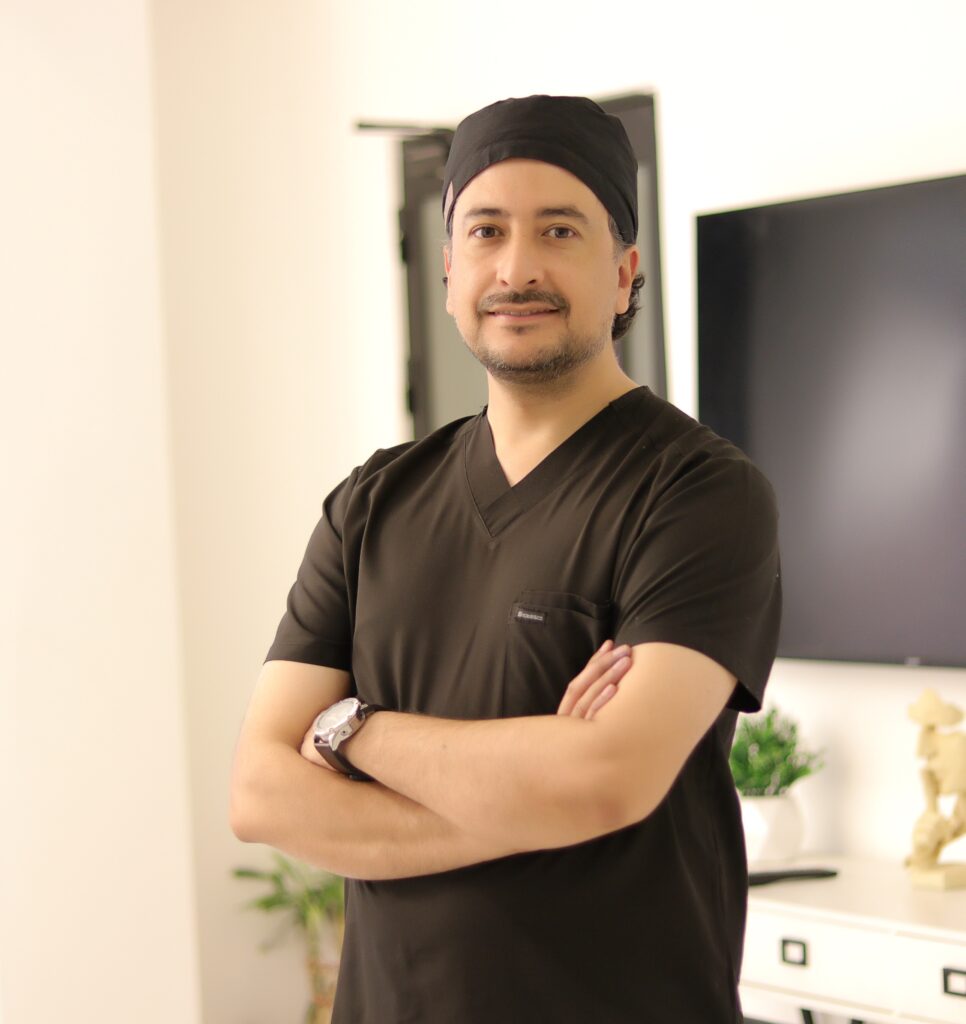
Dr. Jawad Jahangir is an expert and experienced hair transplant surgeon in Islamabad, who is known for being very precise, detail-oriented, and patient. He works with each patient to create a hair restoration strategy that maximizes natural-looking, long-term results while maintaining patient safety and satisfaction at JJ Aesthetics. He has following experience and expertise:
- Diplomate American Board of hair restoration (ABHRS), USA.
- Member International society of Hair Restoration.
- Cabinet member hair restoration society of Pakistan (HRSP).
- Master in Surgery( MS) from Rawalpindi Medical University.
- Diploma in Minimal Invasive surgery from University of Illinois, Chicago, USA.
- Certificate in Health Professions Education , (CHPE), Shifa University Islamabad.
- Researcher , Over 20 research publications in national and international Journals.
- Experience of more that 20 years in field of medical.
- More than 10,000 Successful surgeries.
- Considered as Top best cosmetic surgeon in Pakistan.
- CEO and Lead surgeon at JJ Aesthetics.
How Can You Protect Your Transplanted Hair?
Long-term hair restoration is more than just the surgery! Compliance with the surgeon’s specific postoperative guidelines and follow-up visits are recommended. Some key principles can be:
- Take all the post-surgical advice very seriously.
- Don’t scratch or pick at the scalp during the healing period.
- Only wash hair after the surgeon advises.
- Avoid over exposure to the sun during early recovery.
- Wait until cleared by a doctor to resume strenuous activity.
- Never use products that aren’t approved for the recipient area.
- Attend follow-up appointments.
- Talk to a trusted doctor about further thinning hair.
Book Your Hair Transplant Consultation:
Hair and scalp evaluation by a professional can help you determine what’s occurring and what you must do next if you’re dealing with hair shedding after transplant, or if you’re thinking about getting a hair transplant in Rawalpindi or Islamabad. You can book your appointment with us by filling out the form to get the best Hair Transplant in Islamabad.