Skip to main content


Some people may feel self-conscious about their face due to the high or broad forehead that alters facial proportions. Hairline Lowering Surgery in Pakistan is a cosmetic surgery treatment that aims to shorten the distance between the hairline and the eyebrows and give a beautiful look to the face. Forehead reduction surgery or advancement of the natural hairline is also called hairline surgery. If you have a high forehead or desire to enhance facial proportions, you may want to consider a consultation with a professional to discuss hairline lowering surgery as an option.
Quick Facts:
- Treatment Name: Hairline Lowering Surgery
- Also Known As: Forehead Reduction Surgery
- Location: JJ Aesthetics Islamabad Pakistan
- Purpose: To reduce forehead height and improve facial proportions
- Procedure Type: Cosmetic surgery
- Anaesthesia: General or other suitable anaesthesia
- Estimated Cost: PKR 250000–600000+
- Recovery Time: Approximately 1–2 weeks for many routine activities
- Results: Long-lasting hairline advancement
What is Hairline Lowering Surgery?
Hairline lowering surgery is a surgical procedure that lowers the space of the forehead by pushing the scalp up front. The surgeon will make a careful incision along the hairline and then move the scalp and excise the right amount of excess skin from the forehead during surgery.
The procedure of lowering the hairline is different from the hair transplant, where hair follicles are transplanted into the designated areas and is performed using the patient’s own hair-bearing scalp. This is especially important for those with existing hair on their scalps and aim to lower their foreheads.
Hairline Lowering Surgery Before and After:
Hairline lowering surgery before and after results will vary based on the patient’s initial forehead height and mobility of the scalp hair density, the healing of the incisions and the amount of advancement during the surgery. After healing the forehead might look shorter and the upper third of the face might look more proportionate. The aim is to achieve a natural facial line with an unaltered look while ensuring the hairline blends in seamlessly with the patient’s facial features.
There may be temporary bruising and swelling in the forehead area. In the meantime, the new hairline can be more easily judged as the changes heal. The incisions may be visible or red for a while and the scars may take a few months or more to mature fully.
Who is an Ideal Candidate for Hairline Lowering Surgery?
For adult patients who are worried about a high forehead and wish to achieve a more balanced hairline both as a whole and without relying entirely on hair transplantation the hairline lowering surgery may be appropriate. Potential candidates may include:
- People whose natural hairline is high or who have a wide forehead
- Individuals who have a stable hairline and sufficient scalp mobility
- Those who are looking to achieve a slimmer forehead and create a more balanced facial appearance.
- People who have adequate hair fullness and can have a natural hairline.
- Persons who are fairly healthy and are fit for surgery.
- Patients with realistic expectations and understanding of the recovery process.
Advantages of Hairline Lowering Surgery in Islamabad:
In some patients the Hairline Lowering Surgery in Pakistan can provide a few cosmetic advantages:
- Reduces Forehead Height
- Creates a More Balanced Facial Appearance
- Uses Existing Hair
- Delivers a long term transformation of the physical structure
- Allows Personalized Hairline Design
- May Reduce reliance on Hairstyling techniques
Hairline Lowering Surgery Procedure at JJ Aesthetics:
There are several steps to the process, starting with consultation and ending with a post-operative follow-up. Safety and aesthetic considerations are of importance in careful planning at every stage.
Consultation and Facial Assessment:
The initial evaluation involves measurement of the forehead natural hairline and the flexibility of the scalp hair density and medical history. The surgeon outlines to the patient how much they will lower their jaw and what the proposed change will look like.
The doctor should discuss any previous cosmetic surgery, medication used, smoking, and history of hair loss at the time of consultation. Depending on the patient’s situation, the doctor may require scales of the head photos or other tests.
Hairline Mapping and Surgical Planning:
The Hair Transplant Surgeon in Islamabad designs the incision line and new hairline keeping in mind the patient’s facial contours. The design should take into consideration the natural variations in the line of hair which can help prevent looking artificial.
The surgeon also determines what the max extent of advancement in the scalp is going to be. This is a different amount for different patients and a specific amount cannot be guaranteed prior to a patient’s appointment.
Anaesthesia:
Hairline lowering surgery is typically done under general anaesthetic or another type of suitable anaesthetic as determined for each individual patient. This will depend on the surgical plan, patient factors and the treating teams’ judgment.
Scalp Advancement:
Surgery involves an incision made along the intended hair line and the surgeon gently separates the tissues in the scalp to ensure they can be moved forward. The excess amount of forehead skin then can be removed if necessary before the advanced scalp is fixed in place.
The technique should preserve key structures and not have too much tension on the incision. If too much tension is placed on the skin it can result in a larger scar wound-healing issues or other concerns.
Incision Closure:
Appropriate sutures or other means are used to close the incision. The surgeon gives the directions on how to protect the incision and how to take care of swelling discomfort etc.
Recovery and Follow-Up:
Post-operative instructions and follow-up visits to check for recovery are provided after surgery. The surgeon evaluates the incision scar formation around hairline hair growth and overall results.
Tips for a Smooth Recovery:
- Take care of the surgical site as directed by the surgeon and use any medicines as prescribed
- Maintain the incision at a clean/dry site as instructed
- Do not rub pull or strain the hairline
- Rest in the position suggested by your surgery team
- Do not do strenuous exercise or heavy lifting until cleared by a physician
- Keep all follow up visits
- Do not smoke or use smoking products as it can make healing more difficult
How Much Does Hairline Lowering Surgery Cost in Pakistan?
The price of Hairline Lowering Surgery in Pakistan ranges between PKR 250,000 to PKR 500,000 depending on the complexity of the procedure, the experience of the surgeon, the type of anaesthesia used, charges of the hospital or surgical center as well as the postoperative care provided.
| Treatment or Expense | Estimated Cost in PKR |
| Initial consultation | 2000–10000 |
| Hairline lowering surgery | 250000–400,000 |
| Anaesthesia and facility charges if billed separately | 30000–100000 |
| Postoperative medication and dressings | 5000–20000 |
| Additional follow-up or scar treatment if required | 10000–50000 |
| Estimated overall planning budget | 250,000–500,000 |
Hairline Lowering Surgery in Pakistan:
Women with a high forehead that make their facial proportions seem out of balance may choose to have a hairline lowering surgery. If a person is a good candidate a forward hairline can lower the forehead height even without the need for a hair transplant to make the primary reduction.
Getting a natural looking result isn’t just about lowering the hairline. The surgeon needs to take into account the forehead shape, temples, hair direction and density, facial proportions and the potential for future hair thinning.
Hairline Lowering Surgery for Men:
Forehead Reduction Surgery in Pakistan may be a good option for men who have a high forehead or a stable hairline. But a man’s hair loss can go on with age and can be especially significant when planning for the long-term. If the hairline is lowered too far it can result in a more artificial look if further hair loss occurs behind the extended low hairline. Therefore the surgeon should consider the patient’s family history, existing hair density balding pattern and the probable development of the pattern.
Forehead Reduction Specialist in Islamabad:
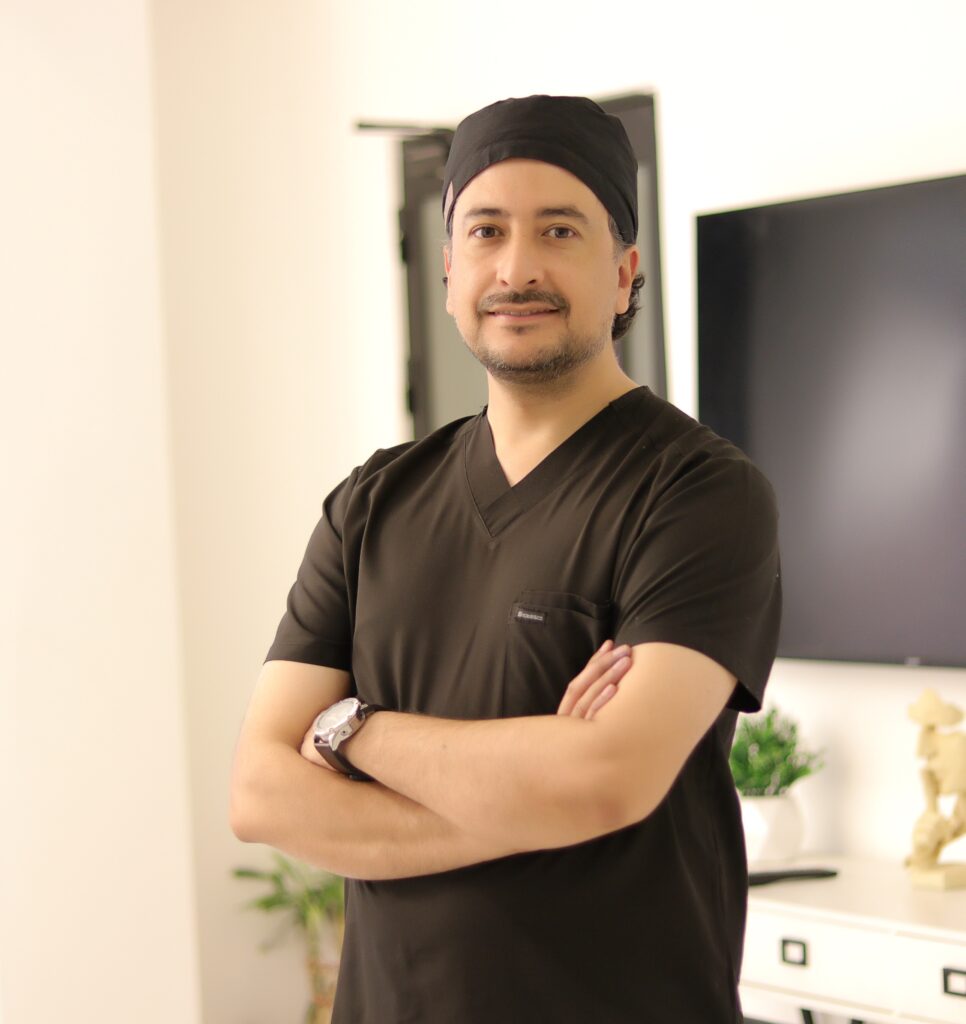
In Pakistan patients seeking hairline lowering surgery can meet with Dr Jawad Jahangir at JJ Aesthetics to explore their aesthetic objectives and options for treatment. Hiring an experienced Best Hairline Lowering Surgeon in Pakistan is crucial for planning a natural-looking hairline determining the flexibility of the scalp reducing risks in surgery and knowledge of potential scarring. Patients should ensure that the surgeon has a specific experience.
Hairline Surgery Clinic in Islamabad:
When selecting a provider for a cosmetic surgery procedure it is important to assess the qualifications, experience , safety measures and after-care provided. Patients at JJ Aesthetics will be able to get a personalized evaluation of their forehead proportions, scalp features and desired look. A good surgical plan should help provide an explanation of the extent of advancement, the location of the incisions, any scarring the required post-surgical care and other treatment options.
Schedule a Consultation:
Hairline Lowering Surgery in Pakistan could be an option if you are worried about the high forehead or you would like to make your facial features well balanced. Considering your forehead size, flexibility , hair density, medical history and expectations is vital in determining the right treatment. To find out if hairline advancement surgery is right for you you can schedule a consultation at JJ Aesthetics to discuss your goals, learn about your options and get a sense of what you can expect. Book your appointment with us to get the best outcomes.
Medical Disclaimer:
This article is intended for general educational purposes and does not replace professional medical advice, diagnosis or treatment. Hairline lowering surgery carries risks and individual outcomes vary. A qualified surgeon should assess your suitability and explain the benefits, limitations, alternatives and potential complications before treatment.