Skip to main content

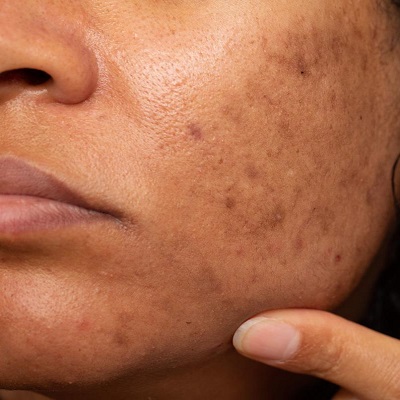
Melasma is a widespread skin problem that results in brown, grayish or dark spots typically on the face. While melasma does not affect health, it can be challenging to treat as pigment may reappear when the skin is exposed to certain triggers, such as heat, sun, or hormones. At JJ Aesthetics, we’re dedicated to addressing your melasma concerns on a custom level to help you achieve the beautiful, healthy skin you deserve. Treatment is typically not the quickest way. We will use a combination of sun protection, prescription pigmentation cream, chemical peels, laser or light-based procedures, and supportive skincare to provide you with clearer, more even-toned skin, however. If you want to know about What is the Fastest Treatment for Melasma? Then read the blog.
What Is the Fastest Treatment for Melasma?
There is no single treatment that removes melasma instantly. For many patients, the best results will be achieved with more than one procedure, with one procedure being considered more effective than another. Depending on the condition of the skin, we may recommend:
- Prescription topical treatments.
- Chemical peels.
- Laser or light-based treatments.
- Medical-grade skincare.
- Daily broad-spectrum sunscreen.
Which Treatment Works Fastest for Melasma?
This depends on the extent of the pigmentation, the skin type and sensitivity of the patient.
Chemical Peels for Melasma:
Chemical peels are commonly used to improve superficial pigmentation and dull, uneven skin. The ingredients used by a professional could include glycolic acid, salicylic acid, lactic acid or other pigmentation-specific peeling agents, depending on the skin of the patient.
A Chemical Peel in Islamabad is performed in a way that it causes controlled exfoliation of the outer layer of the skin. This can help to diminish the look of excess pigmentation and enhance the quality of skin texture.
Laser Treatment for Melasma:
Some laser and light technologies might be appropriate for certain melasma cases. These treatments will aim to deal with pigmentation or to affect the cells that produce the pigment.
But laser treatment should be used with extra care in the case of melasma. For some skin types, hyperthermia or intense treatment can lead to further hyperpigmentation and exacerbate the condition.
Prescription Creams for Melasma:
Topical medications are still a key component of melasma treatment. Dermatologists in Islamabad may prescribe ingredients that slow down the production of the pigment or speed the turnover of skin cells, depending on the patient’s skin and medical history. Hydroquinone, tretinoin, azelaic acid and other pigment modulating agents are commonly used ingredients.
Tranexamic Acid for Melasma:
Tranexamic acid is the option which has been gaining attention as a treatment option in stubborn melasma. Can be applied topically or orally, as determined by medical assessment in certain patients. Oral tranexamic acid is a treatment that isn’t appropriate for all individuals. It should be taken into account with the medical history and risk of blood clots of a person, which should be looked at by a healthcare professional.
Microneedling for Pigmentation:
Microneedling in Islamabad is a technique that makes tiny holes in the skin, which can be part of a treatment for pigmentation. It can also help with the texture of the skin and enhance topical product delivery. When treating melasma-prone skin, care must be taken to control the intensity of treatment. Too much skin damage can lead to inflammation and even lead to worsened pigmentation.
Importance of Sunscreen for Fast Melasma Results:
With any treatment, even one that works well for the melasma, if the skin continues to get a lot of UV exposure, the results won’t be as great as they could be. Broad-spectrum sun protection is a key part of the melasma treatment plan, particularly daily. Sun screens should be used regularly especially during outdoor activities. Other sun protective behaviors include:
- Wearing a hat with a broad brim.
- Taking shade in high sun.
- Reapplying sun cream as necessary.
- Stay out of the sun as much as possible.
- Using sunglasses and protective clothing
Can Melasma Go Away Quickly?s
It takes time to treat melasma. The pigment changes in some patients within a few weeks and for others it may take several months of regular treatment for the pigment to change. The extent of improvement will vary based on:
- Depth of pigmentation.
- Skin type.
- Severity of melasma.
- Hormonal influences.
- Sun exposure.
- Previous treatments.
- Skin sensitivity.
- Treatment consistency.
Fastest Melasma Treatment for Different Skin Types:
Pigmentation is more important with skin types. Darker skin tones have a higher risk for pigmentation following certain aggressive procedures. Therefore, we do not make any assumption whatsoever that the best treatment is the quickest treatment.
What Can Make Melasma Worse?
Some things may cause melasma to remain or become more prominent.
- Sun Exposure.
- Visible Light.
- Hormonal Changes.
- Skin Irritation.
- Heat.
How Many Sessions of Laser Treatment for Melasma?
The number of sessions is dependent on the type of treatment chosen and the degree of pigmentation. Patients may experience improvement following a few sessions or may need more frequent treatment sessions. The pigmentation that has been there for several years or is deeper might take longer to improve.
When to Visit a Dermatologist for Melasma?
Assessment by a professional can be helpful when pigment is persistent, changing quickly, hard to diagnose, or unresponsive to over-the-counter products. A dermatologist or a qualified skin specialist in Islamabad will tell the difference between melasma and other factors that cause facial pigmentation, and then create a suitable treatment plan for the skin type of their patient.
Final Thoughts:
Generally, the most effective method to treat melasma is a well-planned, regular treatment program, not a quick fix. The professional assessment will identify if topical medication, chemical peeling, laser treatment or a combination of these is suitable.
Our approach at JJ Aesthetics is personalized treatment of melasma with the goal of correcting uneven hyper pigmentation without causing additional irritation and future triggers. A proper sun protection and maintenance skincare regimen continue to be crucial in achieving and maintaining clearer skin.