Skip to main content
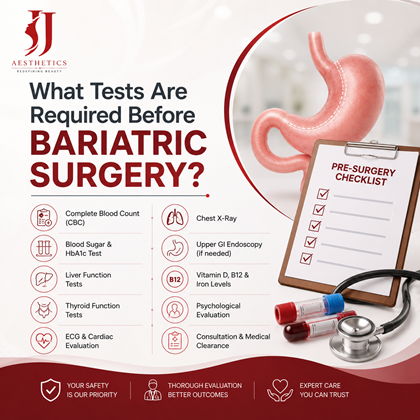
Obesity is a complex medical condition that has an impact on overall health, mobility and quality of life. When lifestyle modifications fail to produce a long-term effect on those who have a body mass index over 40, bariatric surgery is one of the most effective long-term treatments. But safe and successful results start way before the surgery though. Rigorous pre-bariatric surgery evaluation puts a patient in the best position for undergoing the surgery and reduces surgical risk.
At Best Weight Loss Clinic in Islamabad, we carefully plan and do detailed evaluation of the medical situation for a successful weight loss journey. Our team conducts a series of diagnostic tests and specialist evaluations to assess if bariatric surgery is the most appropriate procedure for each patient. If you want to know What Tests Are Required Before Bariatric Surgery? Then continue reading.
Why Are Pre-Bariatric Surgery Tests Important?
All patients need to be thoroughly evaluated before undergoing Bariatric Surgery in Islamabad. These tests can detect any underlying medical problems that might interfere with surgery anesthesia or recovery. The findings also enable our surgical team to choose the most suitable bariatric surgery such as gastric sleeve surgery, gastric bypass or any other weight loss procedure. A comprehensive assessment enables us to:
- Evaluate general level of health.
- Detecting nutritional deficiencies.
- Assess the condition of the heart and lungs.
- Identify digestive disorders.
- Reduce surgical complications.
- Optimize anesthesia planning.
- Improve post-operative recovery.
- Make weight loss long term.
Each patient receives a customized treatment plan that their healthcare provider designs according to their medical history and test results.
Complete Blood Tests Before Bariatric Surgery:
One of the first and more crucial tests conducted prior to weight loss surgery is blood tests. These lab tests are useful to get information from the body and to check for conditions that should be treated prior to surgery. Typical blood tests include:
Complete Blood Count (CBC):
A CBC tests red blood cells white blood cells hemoglobin hematocrit and platelets. This test can identify:
- Anemia
- Infection
- Blood disorders
- Immune system abnormalities
The treatment of anemia before surgery can also result in better healing and fewer problems after surgery. An all-in-one blood test that measures various levels of blood chemistry.
Comprehensive Metabolic Panel (CMP):
- Kidney function
- Liver function
- Electrolyte balance
- Blood glucose
- Protein levels
These results will help to make sure that necessary organs are working correctly prior to surgery.
Blood Sugar Tests:
Patients commonly undergo:
- Fasting Blood Sugar
- Average Blood Sugar (HbA1c)
- Insulin level (if indicated)
Because obesity closely links to Type 2 Diabetes, you should assess blood sugar control as part of your pre-operative evaluation.
Thyroid Function Tests:
Weight gain or loss may be a symptom of a thyroid disorder. Thyroid function testing is used to exclude the diagnosis of obesity due to thyroid hormone deficiency. Common tests performed on the thyroid are:
- TSH (Thyroid Stimulating Hormone)
- Free T3
- Free T4
When a diagnosis of thyroid disease is made treatment is started prior to surgery.
Liver Function Tests:
Fatty liver disease is a common problem associated with obesity and can impact surgical planning. Liver testing evaluates:
- ALT
- AST
- Bilirubin
- Alkaline phosphatase
- Albumin
If the liver is not functioning normally further imaging studies or consultation with a hepatologist may be necessary prior to surgery.
Kidney Function Tests:
Medical conditions such as an electrolyte imbalance and the elimination of drugs during surgery depend on healthy kidneys. Evaluation of the kidneys is usually performed with the following tests:
- Blood Urea Nitrogen (BUN)
- Creatinine
- Estimated GFR
- Electrolytes
Patients with kidney disease might need more medical treatment before the surgery.
Electrocardiogram (ECG):
An ECG is used to analyse the heart’s electrical activity and to look for any potential heart issues. It helps detect:
- Heart rhythm disorders
- Previous heart attacks
- Enlarged heart
- Conduction abnormalities
ECG is routinely ordered before bariatric surgery in Islamabad as obesity puts patients at a higher risk for cardiovascular disease.
Echocardiogram (Heart Ultrasound):
An echocardiogram may be needed in patients who have heart disease or are at high risk. This imaging test assesses:
- Heart valves
- Pumping function
- Blood flow
- Heart muscle performance
The outcome will be used to decide if the heart will tolerate surgery.
Chest X-Ray:
The chest X-ray will give useful information on the lungs and heart. It helps identify:
- Lung infections
- Chronic lung disease
- Enlarged heart
- Fluid accumulation
- Structural abnormalities
Minimizing anesthesia-related risks through healthy lung function.
Pulmonary Function Tests:
PFTs may assess patients with breathing issues or those who are obese with respiratory disorders. These tests assess:
- Lung capacity
- Airflow
- Oxygen exchange
- Breathing efficiency
These are especially significant with patients who have asthma COPD or severe obesity.
Sleep Study (Polysomnography):
A large number of people with obesity have sleep apnea (OSA) and don’t even know it. A sleep study assesses:
- Breathing interruptions
- Oxygen levels
- Sleep quality
- Snoring severity
Prior to surgery sleep apnea may be diagnosed and be recommended for treatment with CPAP.
Upper Gastrointestinal Endoscopy:
Through an upper GI endoscopy the surgeon is able to look at the upper small intestine, the stomach and the esophagus. This procedure detects:
- Gastric ulcers
- Acid reflux
- Hiatal hernia
- Gastritis
- Polyps
- Esophageal inflammation
Prevention of these conditions decreases the risk for complications after surgery.
Abdominal Ultrasound:
Healthcare professionals use ultrasound imaging to assess body organs that are often affected by obesity in the abdomen. This scan will look for:
- Gallstones
- Fatty liver
- Liver enlargement
- Kidney abnormalities
- Pancreatic conditions
Gallstones are a problem that tends to occur in patients who are obese and can affect surgical planning.
Helicobacter pylori (H. pylori) Testing:
Certain patients may need a test for H. pylori, a stomach ulcer causing bacterium. Testing may involve:
- Breath test
- Stool test
- Biopsy during endoscopy
If present treatment is completed before bariatric surgery.
BMI and Weight Assessment:
BMI is still one of the main factors for deciding if someone is eligible for bariatric surgery.
Additional measurements include:
- Weight
- Height
- Waist circumference
- Hip circumference
- Body fat distribution
Such measurements help to decide the best surgical method to use.
Medical History Review:
Our specialists are able to determine factors that could have an impact on surgery based on a detailed medical history. Topics discussed include:
- Previous surgeries
- Current medications
- Allergies
- Diabetes
- High blood pressure
- Heart disease
- Sleep disorders
- Family history
- Smoking
- Alcohol use
A customized surgical plan will be created using all of the information.
Who May Need Additional Testing?
Additional testing may be needed based on a patient’s history. Other tests performed may include:
- Hormonal studies
- Cardiology consultation
- Endocrinology evaluation
- Pulmonology consultation
- Nephrology review
- Gastroenterology consultation
- Stress testing
- CT scan
- MRI scan
- Coagulation profile
Tests are always customised so as not to be a one-size fits all option.
Benefits of Completing All Required Pre-Bariatric Surgery Tests:
Comprehensive pre-operative evaluations can result in patients having:
- Improved surgical safety
- Reduced risk of complications
- Faster recovery
- Better nutritional status
- More accurate treatment planning
- Improved weight loss results
- Greater long-term success
- Enhanced overall health
Best Weight Loss Clinic in Islamabad:
Our Surgeons in Islamabad anesthesiologists, nutritionists and aftercare teams at JJ Aesthetics offer an individualized approach to bariatric surgery. Each patient receives a comprehensive medical evaluation prior to surgery to make sure the chosen procedure matches the patient’s health, weight loss objectives and future well-being. We provide a complete package wellness service, sophisticated diagnostic procedures, individual care plans and continuous follow-up to help our patients attain sustainable weight loss while keeping them safe every step of the way.
Schedule a Bariatric Surgery Consultation:
If you’re thinking about Bariatric Surgery in Islamabad and want to be thoroughly evaluated by professionals, contact JJ Aesthetics for your consultation today.
We will evaluate your health, describe all necessary tests to you, and answer all your questions. We will design a unique treatment program to get you on the road to weight loss with confidence. If you want to know more, what Tests Are Required Before Bariatric Surgery? Then consult our team.