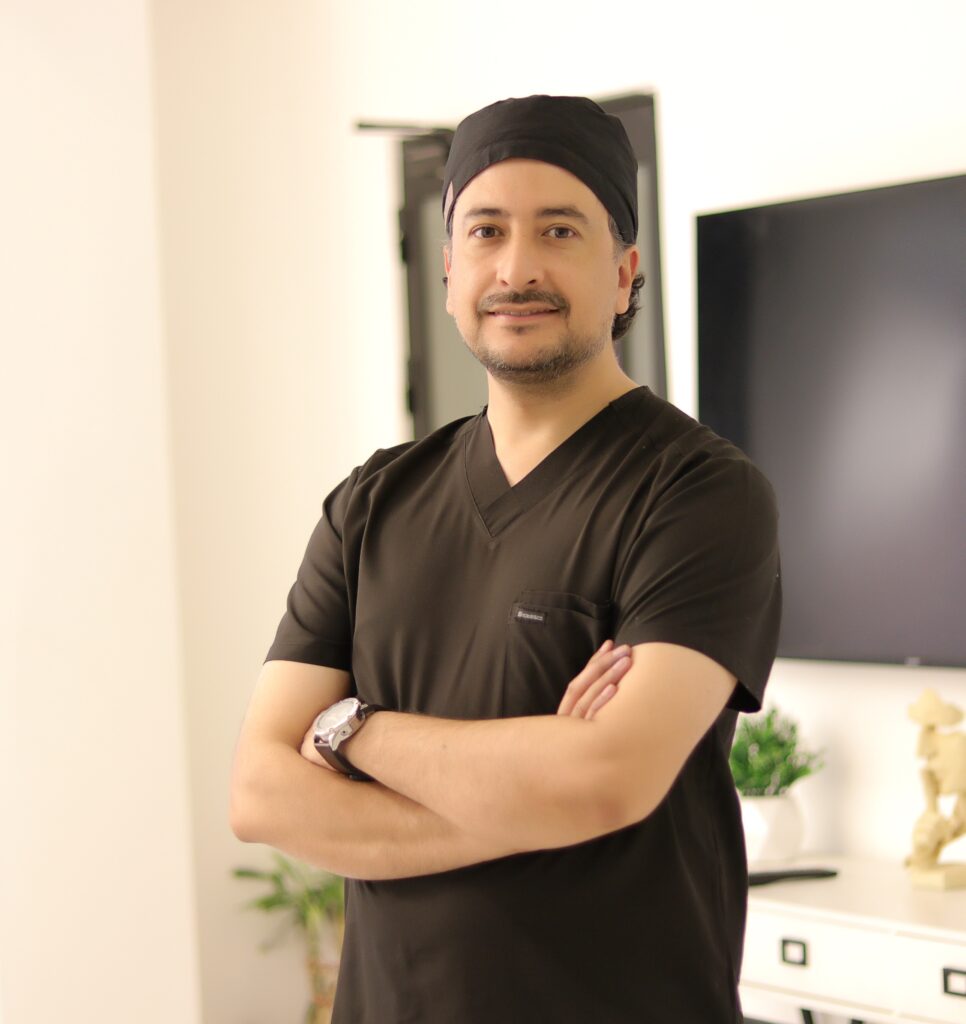

There is an increase in the popularity of beard transplants among men who desire to cover bald areas or to enlarge and increase the size of their beards. The major concern among the people is how they will recover and resume their normal lives after obtaining their dream beard.
If you have been considering having a beard transplant in Islamabad, the healing process can be of use in making better arrangements and dispelling fears. In this blog, we shall discuss the healing plan and the expectations after the treatment.
What is the Procedure OF a Beard Transplant?
Typically, the transfer of the hair cells is done on the part of the body, the back of your head, to the portions of your face where you want the growth of your beard to be increased.
Beard transplants can be done in two major ways:
FUT (Follicular Unit Transplantation): A strip of hair-bearing skin is excised from the region of donation, and the follicles are harvested.
FUE (Follicular Unit Extraction): The donor area is then removed, followed by the further removal of individual hair follicles, which are then transplanted. This procedure causes very few scars and is the most prevalent procedure in the present day.
Beard Transplant Recovery Schedule.
Healing down a beard replacement is normally easy, although it takes time. Although you will not require much rest, it is vital to know the different stages of healing and what you have to expect in each stage.
Day 1-Day 3: Immediately After the Procedure.
It is possible that your face will get hot and puffy after the transplant, particularly in the area where the follicles were deposited. The formation of scabs around each of the grafts is quite normal. You may also encounter:
- Slight discomfort
- Tenderness or tightness
- A little leaking or bleeding
- Pay attention to your surgeon’s treatment ideas throughout this time. It could be suggested that you:
- To lessen swelling, sleep with your head up.
- To avoid illness or causing the grafts to come loose, refrain from touching or hurting your face.
- Use a water solution to gently clean your face, or follow your doctor’s advice.
It’s best to take it slow and give your body time to heal, but most people may restart non-strenuous jobs after a day or two.
Day 4–7: The First Healing
The redness and swelling should begin to go away around this point. The scabs around the moved hairs may tighten and fall off on their own. To protect the new follicles, it’s crucial to let these scabs fall off regularly without picking or scratching.
During this period:
- Light jobs may be continued, but avoid heavy effort.
- Maintain the area’s cleanliness and stick to any treatment directions offered.
- Itchiness has a natural healing effect in some individuals.
Most individuals are well enough to resume work or even social life within a week, and this is particularly so when the scabbing and the swelling have subsided.
Weeks Two and Three: The Shedding Stage
If the hair starts to come out at this time, don’t worry. This is referred to as the “shedding phase,” and it is rather normal. The skin cells stay unhurt and form new hairs during the short shedding time.
Months 1–3: The Start of New Growth
The first signs of fresh hair growth may appear between weeks four and six. At first look, the hairs may seem soft, thin, or uneven. This is a normal step in the process, and as time goes on, growth will become better.
At this stage:
Hair grows very slowly and differs in people, and therefore, be patient.
To allow the new hair to develop, cease shaving or cutting for at least one month, or as advised by your surgeon.
You can now begin to do more physical work.
Month 4 to Month 6: Visible Outcomes
The new beard hairs will begin to grow and fill out four to six months after the transplant. The smoothness and density will improve. Your present beard will start to naturally join in with the hair.
In the meantime, you can:
- As usual, take care of your beard: cutting, shaping, and styling.
- Take pride in your new, bigger beard, and enjoy the progress it has made!
Month 9 to Month 12: Completed Outcomes
Your beard will likely reach its full potential after a year. It should be fully grown with fullness and thickness that appear normal. You can dress the moved hair as you wish, and it will act similarly to the rest of your facial hair.
Tips for a Smooth Recovery
- Follow Aftercare Instructions. These are necessary to heal well.
- Take as much water as possible and also consume a healthy diet to facilitate the growth of hair.
- No alcohol and tobacco, as they may retard healing.
- Patience is a virtue; it takes time to get results, but it is a valuable wait!
Final Thoughts:
After a beard transplant in Islamabad, healing is very easy and fast. Although there may be pain and scabbing during the first week, most patients can continue their regular tasks in a few days. Although it may take up to a year to see full results. If you’re thinking about getting a beard transplant in Islamabad, visit JJ Aesthetics and consult with our best surgeon, Dr. Jawad Jahangir, to find out what’s best for you. You could be closer than you think to having your dream beard!